
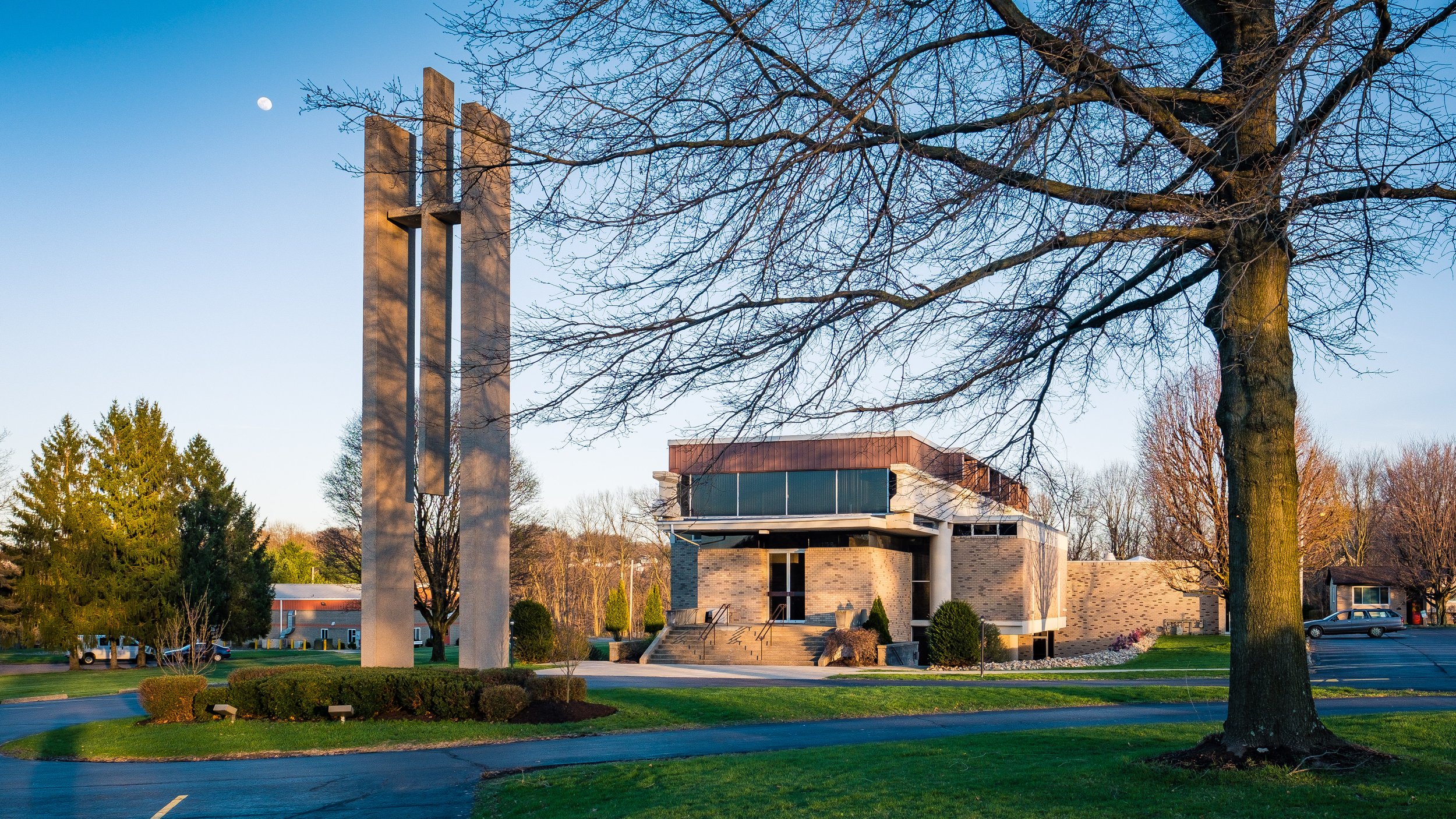
Stay Connected with Zion Lutheran Church
Stay Connected
Zion members can sign up for our weekly eBlast and see up-to-date with other news and prayer requests at:
View our daily Facebook page at:
www.facebook.com/ZionLutheranBridgeville

Zion members can sign up for our weekly eBlast and see up-to-date with other news and prayer requests at:
www.zlcb.org/eblast-sign-up
View our daily Facebook page at:
www.facebook.com/ZionLutheranBridgeville
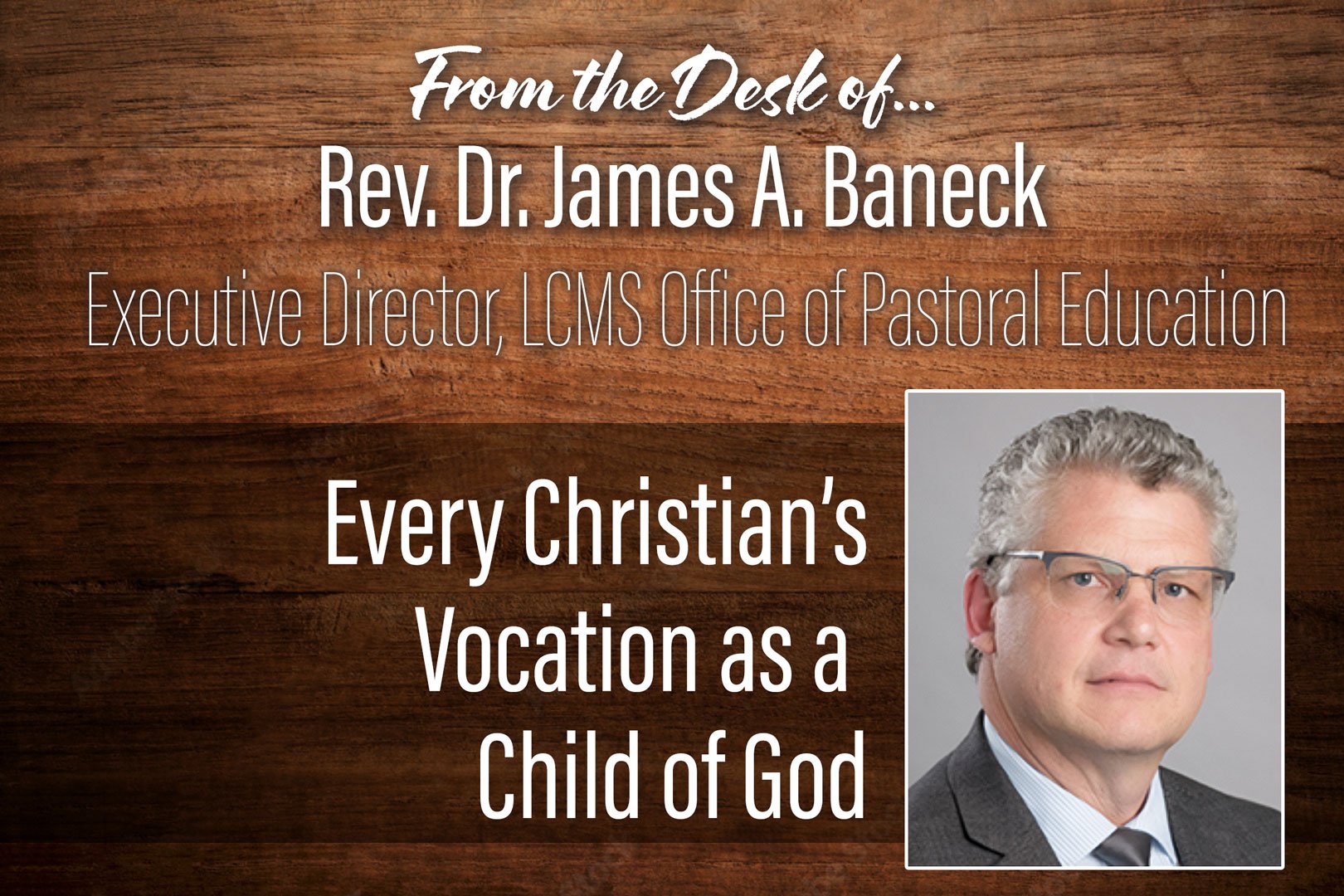
Every Christian’s Vocation as a Child of God
Every Christian’s Vocation as a Child of God
By Rev. Dr. James A. Baneck, Executive Director, LCMS Office of Pastoral Education
“What do you want to be when you grow up?” is a question children hear all the time. As children grow up, that question becomes “Where do you want to go to college?” or “What do you want to study?” or “What career will you pursue?”
These sorts of conversations are a natural place to bring up vocation — not just the various God-pleasing vocations of nurses and teachers, electricians and firefighters, but vocation in the sense of God’s calling of every Christian in his or her Baptism to be His child and to believe in Him. In our new baptismal life in Christ, God also works through us to love and serve our neighbors. This is every Christian’s vocation.
The following points are intended to help you — and the parents you know and serve (at church, at work, in your family, etc.) — to talk to young people about their vocation as baptized children of God:
Click the link below to read the complete story …
Every Christian’s Vocation as a Child of God
By Rev. Dr. James A. Baneck, Executive Director, LCMS Office of Pastoral Education
“What do you want to be when you grow up?” is a question children hear all the time. As children grow up, that question becomes “Where do you want to go to college?” or “What do you want to study?” or “What career will you pursue?”
These sorts of conversations are a natural place to bring up vocation — not just the various God-pleasing vocations of nurses and teachers, electricians and firefighters, but vocation in the sense of God’s calling of every Christian in his or her Baptism to be His child and to believe in Him. In our new baptismal life in Christ, God also works through us to love and serve our neighbors. This is every Christian’s vocation.
The following points are intended to help you — and the parents you know and serve (at church, at work, in your family, etc.) — to talk to young people about their vocation as baptized children of God:
Remember your Baptism every day. When you were baptized, all your sins were washed away, and you were given a new identity in Christ. God loves you and has made you His own child. (See Eph. 5:25–26; Rom. 6:3–5; Titus 3:5–7.)
Your identity as a child of God will guide you to best serve Him and your neighbor. All the decisions involved in pursuing a specific vocation, like nursing or teaching, can feel overwhelming. Staying rooted in your baptismal identity in Christ will help you remember that God loves you and will use you to love and serve your neighbor, no matter what godly vocation you pursue. (See Rom. 8:28–29.)
What is a godly vocation? Consider Galatians 2:20: “I have been crucified with Christ. It is no longer I who live, but Christ who lives in me. And the life I now live in the flesh I live by faith in the Son of God.” Every vocation — as doctor or engineer, mother or father, pastor or teacher — is a godly vocation, because Christ Himself lives in us and works through us! We look not to our own works, but to God’s work — most importantly, to His saving work on the cross.
Did you know there is a great need for full-time church workers? Every person needs to hear the Gospel so that they may have saving faith in Jesus. God works through pastors to proclaim the Gospel, and all other church workers, like teachers and deaconesses, support their pastor’s service of the Word. Have you ever thought about serving the Lord in a full-time church work vocation? As you know, this last point is the heart of Set Apart to Serve. Together, we are seeking to build a culture of church work formation and recruitment in every LCMS congregation, family, school, district and entity.
That culture takes root right here, in the conversations you have with children about their baptismal identity in Christ. Helping our young people consider church work begins with raising them in the knowledge of their Baptism and immersing them in the Word of Christ — telling them continually that they are beloved children of God, and that all their sins are washed away and forgiven by the saving work of Jesus on the cross. I pray that you will find these conversation starters helpful and that you will pass them on to the parents you know and serve, so that they can be supported in raising and forming their children in the faith, and possibly for a full-time church work vocation.
Set Apart to Serve (SAS) is building a culture of forming and recruiting pastors and commis-sioned church workers in The Lutheran Church—Missouri Synod (LCMS). Visit Set Apart to Serve to learn more!
VIDEO: Sunday, August 17, 2025 - Complete Service
Each service at Zion Lutheran Church (normally the first of our two Sunday services) is streamed LIVE on our YouTube channel. These streams are for Sunday’s, Wednesday’s, Lenten, Advent, and special services. The entire service is streamed from beginning-to-end. Weddings and Funerals can also be streamed, if requested in advance.
AUDIO: Announcements, Readings & Sermon for Sunday, August 17, 2025
This audio-only file includes all the readings from scripture, along with the sermon — and when available, the announcements, adult choir, men’s choir, and/or bell choir. Also posted along with the audio file is the text for all the scripture readings, and a link to the current bulletin, and our YouTube channel if you prefer to watch the LIVE Stream.
View the bulletin for Sunday, August 17, 2025
Archive of AUDIO “Readings & Sermons”
Archive of VIDEO “Complete Service”
Archive of Bulletins
Old Testament Reading -- Jeremiah 23:16–29
Thus says the Lord of hosts: “Do not listen to the words of the prophets who prophesy to you, filling you with vain hopes. They speak visions of their own minds, not from the mouth of the Lord. They say continually to those who despise the word of the Lord, ‘It shall be well with you’; and to everyone who stubbornly follows his own heart, they say, ‘No disaster shall come upon you.’”
For who among them has stood in the council of the Lord
to see and to hear his word,
or who has paid attention to his word and listened?
Behold, the storm of the Lord!
Wrath has gone forth,
a whirling tempest;
it will burst upon the head of the wicked.
The anger of the Lord will not turn back
until he has executed and accomplished
the intents of his heart.
In the latter days you will understand it clearly.
“I did not send the prophets,
yet they ran;
I did not speak to them,
yet they prophesied.
But if they had stood in my council,
then they would have proclaimed my words to my people,
and they would have turned them from their evil way,
and from the evil of their deeds.
“Am I a God at hand, declares the Lord, and not a God afar off? Can a man hide himself in secret places so that I cannot see him? declares the Lord. Do I not fill heaven and earth? declares the Lord. I have heard what the prophets have said who prophesy lies in my name, saying, ‘I have dreamed, I have dreamed!’ How long shall there be lies in the heart of the prophets who prophesy lies, and who prophesy the deceit of their own heart, who think to make my people forget my name by their dreams that they tell one another, even as their fathers forgot my name for Baal? Let the prophet who has a dream tell the dream, but let him who has my word speak my word faithfully. What has straw in common with wheat? declares the Lord. Is not my word like fire, declares the Lord, and like a hammer that breaks the rock in pieces?”
Epistle Reading -- Hebrews 11:17-31; 12:1-3
By faith Abraham, when he was tested, offered up Isaac, and he who had received the promises was in the act of offering up his only son, of whom it was said, “Through Isaac shall your offspring be named.” He considered that God was able even to raise him from the dead, from which, figuratively speaking, he did receive him back. By faith Isaac invoked future blessings on Jacob and Esau. By faith Jacob, when dying, blessed each of the sons of Joseph, bowing in worship over the head of his staff. By faith Joseph, at the end of his life, made mention of the exodus of the Israelites and gave directions concerning his bones.
By faith Moses, when he was born, was hidden for three months by his parents, because they saw that the child was beautiful, and they were not afraid of the king’s edict. By faith Moses, when he was grown up, refused to be called the son of Pharaoh’s daughter, choosing rather to be mistreated with the people of God than to enjoy the fleeting pleasures of sin. He considered the reproach of Christ greater wealth than the treasures of Egypt, for he was looking to the reward. By faith he left Egypt, not being afraid of the anger of the king, for he endured as seeing him who is invisible. By faith he kept the Passover and sprinkled the blood, so that the Destroyer of the firstborn might not touch them.
By faith the people crossed the Red Sea as if on dry land, but the Egyptians, when they attempted to do the same, were drowned. By faith the walls of Jericho fell down after they had been encircled for seven days. By faith Rahab the prostitute did not perish with those who were disobedient, because she had given a friendly welcome to the spies.
Therefore, since we are surrounded by so great a cloud of witnesses, let us also lay aside every weight, and sin which clings so closely, and let us run with endurance the race that is set before us, looking to Jesus, the founder and perfecter of our faith, who for the joy that was set before him endured the cross, despising the shame, and is seated at the right hand of the throne of God.
Consider him who endured from sinners such hostility against himself, so that you may not grow weary or fainthearted.
The Holy Gospel according to St. Luke, the twelfth chapter
[Jesus said:] “I came to cast fire on the earth, and would that it were already kindled! I have a baptism to be baptized with, and how great is my distress until it is accomplished! Do you think that I have come to give peace on earth? No, I tell you, but rather division. For from now on in one house there will be five divided, three against two and two against three. They will be divided, father against son and son against father, mother against daughter and daughter against mother, mother-in-law against her daughter-in-law and daughter-in-law against mother-in-law.”
Bulletin: Sunday, August 17, 2025 + This Week at Zion
Download/view the latest bulletin. It’s filled with our hymns, the order of service, all the readings from scripture, prayer requests for family & friends, service participants, communion statement, about our worship, the schedule of events for this coming weeks, along with announcements, news updates, happenings, and more!
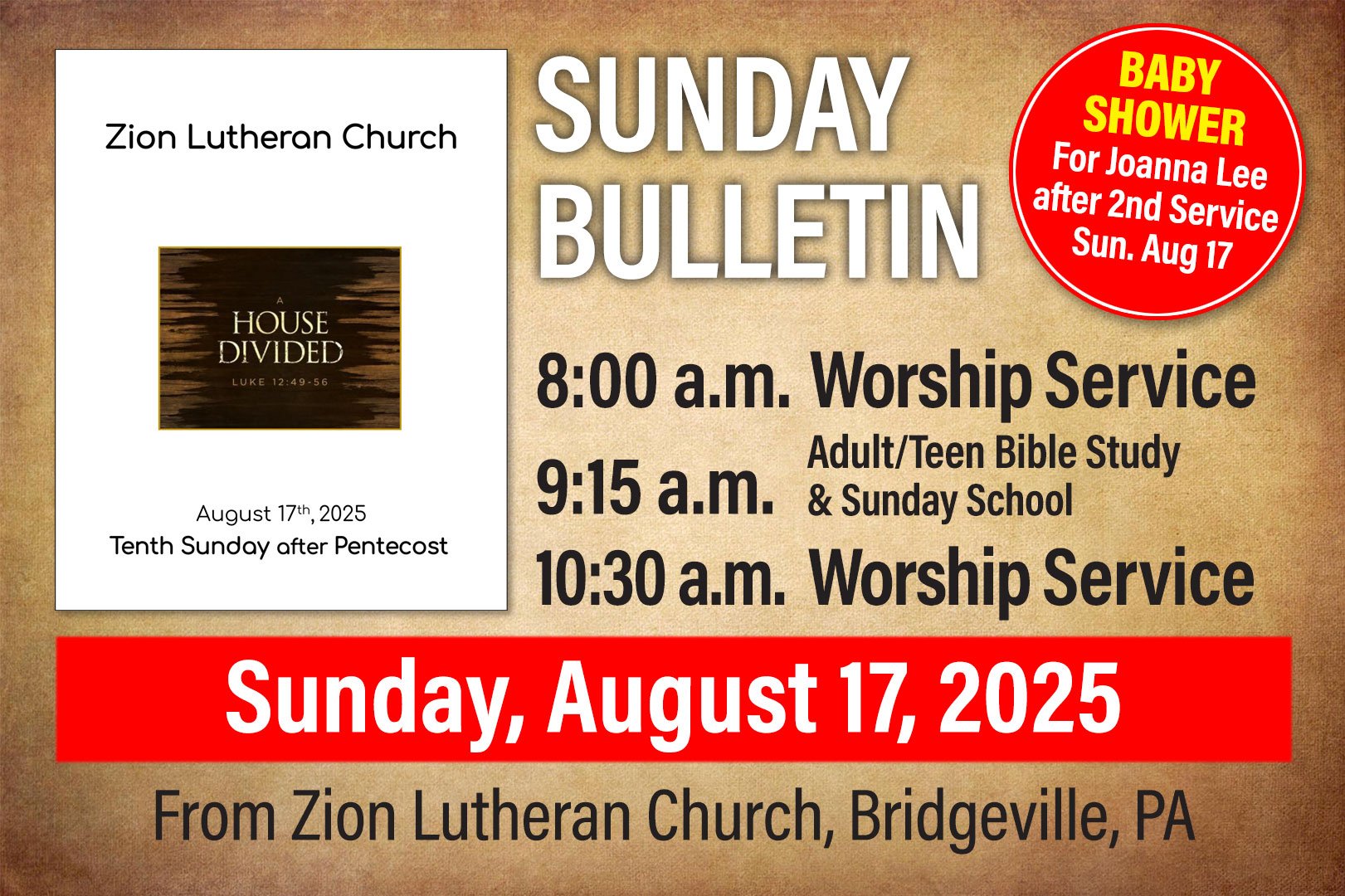
View the bulletin for Sunday, August 17, 2025
Archive of AUDIO “Readings & Sermons”
Archive of VIDEO “Complete Service”
Archive of Bulletins
THIS WEEK AT ZION
Saturday August 16
No Events Scheduled
Sunday August 17
8:00 a.m. — Worship Service with Communion
9:15 a.m. — Adult/Teen Bible Study & Summer Sunday School
10:30 a.m. — Worship Service with Communion
12:00 p.m. - Deaconess Joanna’s Baby Shower (Fellowship Hall) - Additional Information
(The 8:00 a.m. service streamed on our YouTube channel)
6:00 p.m. - Youth Group Bonfire
Monday August 18
6:00 p.m. - Grace Bell Choir Practice
Tuesday August 19
6:16 p.m. - Faith Bell Choir Practice
Wednesday August 20
2:00 p.m. - Midweek Worship with Communion
2:30 p.m. - Bible Study (30 min.) Psalm 32 (More Details)
(Wednesday’s service will be streamed on our YouTube channel)
Thursday August 21
No events scheduled
Friday August 22
No events scheduled
Saturday August 23
11:00 a.m. - 5:00 p.m. - Zion Bridge Builders Booth at SF Community Day (Additional Information)
Sunday August 24
8:00 a.m. — Worship Service with Communion
9:15 a.m. — Adult/Teen Bible Study & Summer Sunday School
10:30 a.m. — Worship Service with Communion
(The 8:00 a.m. service streamed on our YouTube channel)

CLICK THE UPCOMING EVENTS GRAPHIC to go directly to our UPCOMING EVENTS page
Psalms Bible Study — This Coming Wednesday (8/20)
In the Psalms God speaks to us, His people. God speaks to us about many different topics in the Psalms like: His existence, the Messiah, forgiveness, doubt, thanksgiving and many more! Join us each Wednesday for worship at 2:00 p.m. followed by a 30 min. Bible Study (starting at 2:30 p.m.) as we study a different Psalm each week for a total of 12 weeks. God truly is speaking to us, come and hear what He is saying!
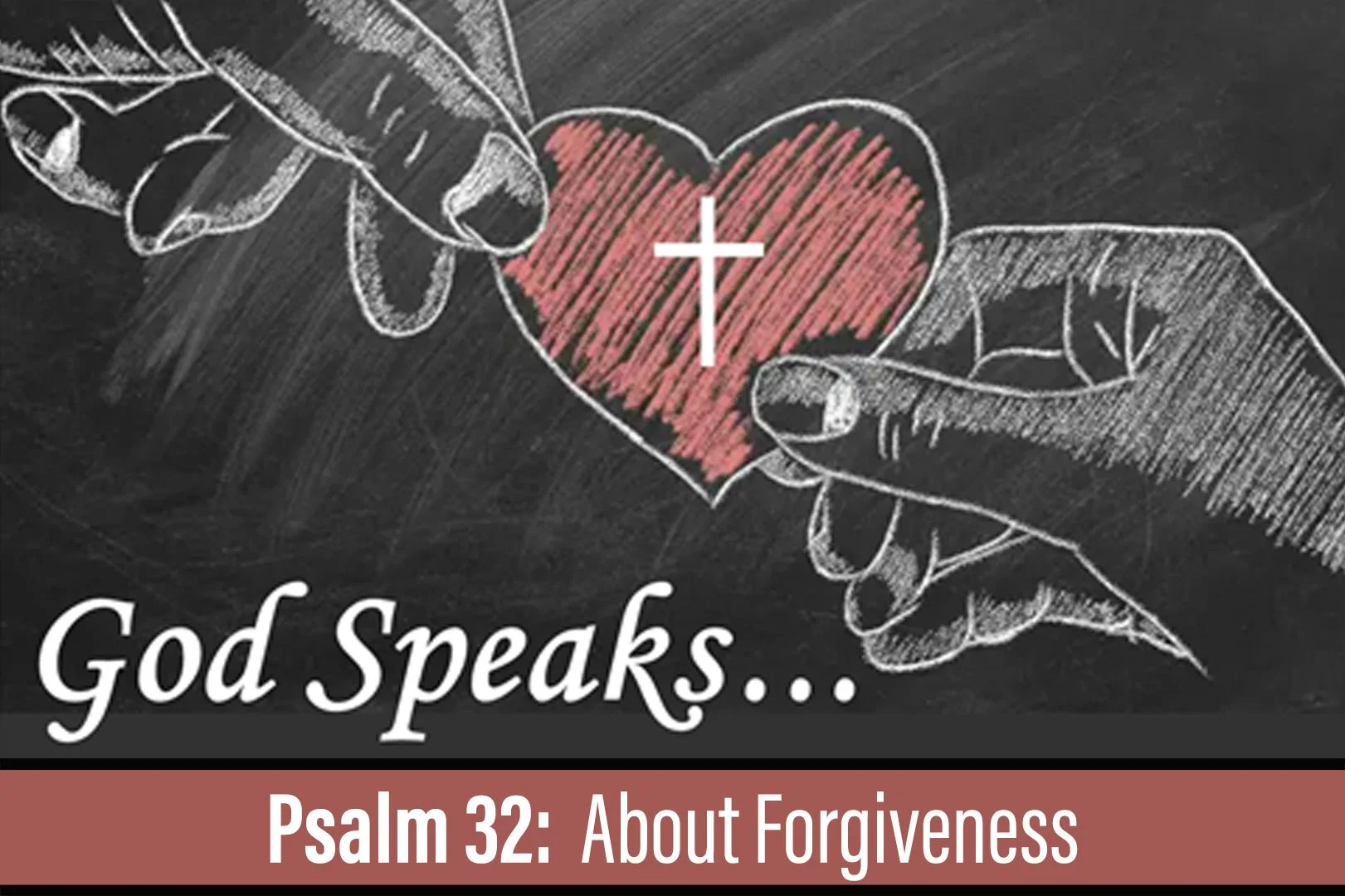
In the Psalms God speaks to us, His people. God speaks to us about many different topics in the Psalms like: His existence, the Messiah, forgiveness, doubt, thanksgiving and many more! Join us each Wednesday for worship at 2:00 p.m. followed by a 30 min. Bible Study hosted by Pastor Grimenstein (starting at 2:30 p.m.) as we study a different Psalm each week for a total of 12 weeks. God truly is speaking to us, come and hear what He is saying!
What About … Being Lutheran
What about being Lutheran
While there are a variety of ways one could answer this question, one very important answer is simply this, “A Lutheran is a person who believes, teaches and confesses the truths of God’s Word as they are summarized and confessed in the Book of Concord.” The Book of Concord contains the Lutheran confessions of faith.
Perhaps you have attended an ordination of a pastor and heard him promise that he will perform the duties of his office in accord with the Lutheran Confessions. When people are confirmed they are asked if they confess the doctrine of the Evangelical Lutheran Church, as they have learned to know it from the Small Catechism, to be faithful and true.
These solemn promises indicate to us just how important the Lutheran Confessions are for our church. Let’s take a look at the various items contained in the Book of Concord and then we will talk about why the Lutheran Confessions are so important for being a Lutheran.
Click the link below to read the complete story …
While there are a variety of ways one could answer this question, one very important answer is simply this, “A Lutheran is a person who believes, teaches and confesses the truths of God’s Word as they are summarized and confessed in the Book of Concord.” The Book of Concord contains the Lutheran confessions of faith.
Perhaps you have attended an ordination of a pastor and heard him promise that he will perform the duties of his office in accord with the Lutheran Confessions. When people are confirmed they are asked if they confess the doctrine of the Evangelical Lutheran Church, as they have learned to know it from the Small Catechism, to be faithful and true.
These solemn promises indicate to us just how important the Lutheran Confessions are for our church. Let’s take a look at the various items contained in the Book of Concord and then we will talk about why the Lutheran Confessions are so important for being a Lutheran.
What are the Ecumenical Creeds?
The three ecumenical creeds in the Book of Concord are the Apostles’ Creed and the Athanasian Creed. They are described as “ecumenical” [universal] because they are accepted by Christians worldwide as correct expressions of what God’s Word teaches.
What is the Augsburg Confession and Apology of the Augsburg Confession?
In the year 1530, the Lutherans were required to present their confession of faith before the emperor in Augsburg, Germany. Philip Melanchthon wrote the Augsburg Confession and it was read before the imperial court on June 30, 1530. One year later, the Lutherans presented their defense of the Augsburg Confes-sion, which is what “apology” here means. It too was written by Philip Melanchthon. The largest document in the Book of Concord, its longest chapter, is devoted to the most important truth of the Christian faith: the doctrine of justification by grace alone, through faith alone, in Christ alone.
What are the Small and Large Catechisms?
Martin Luther realized early on how desperately ignorant the laity and clergy of his day were when it came to even the most basic truths of the Christian faith. Around 1530, he produced two small handbooks to help pastors and the heads of families teach the faith. The Small Catechism and the Large Catechism are organized around six topics: the Ten Commandments, the Apostles’ Creed, the Lord’s Prayer, Holy Baptism, Confession, and the Sacrament of the Altar. So universally accepted were these magnificent doctrinal summaries by Luther, that they were included as part of the Book of Concord.
What are the Smalcald Articles and the Treatise on the Power and Primacy of the Pope?
In 1537, Martin Luther was asked to prepare a statement of Lutheran Belief for use at a church council, if it was called. Luther’s bold and vigorous confession of faith was later incorporated into the Book of Concord. It was presented to a group of Lutheran rulers meeting in the town of Smalcald. Philip Melanchthon was asked to expand on the subject of the Roman pope and did so in his treatise, which also was included in the Book of Concord.
What is the Formula of Concord?
After Luther’s death in 1546, significant controversies broke out in the Lutheran Church. After much debate and struggle, the Formula of Concord in 1577 put an end to these doctrinal controversies and the Lutheran Church was able to move ahead united in what it believed, taught and confessed. In 1580, all the confessional writings mentioned here were gathered into a single volume, the Book of Concord. Concord is a word that means, “harmony.”
What is the connection between the Bible and the Confessions?
We confess that, “The Word of God is and should remain the sole rule and norm of all doctrine” (FC SD, Rule and Norm, 9). What the Bible asserts, God asserts. What the Bible commands, God commands. The authority of the Scriptures is complete, certain and final. The Scriptures are accepted by the Lutheran Confessions urge us to believe the Scriptures for “they will not lie to you” (LC,V,76) and cannot be “false and deceitful” (FC SD,VII,96). The Bible is God’s “pure, infallible, and unalterable Word” (Preface to the BOC).
The Lutheran Confessions are the “basis, rule, and norm indicating how all doctrines should be judged in conformity with the Word of God” (FC SD RN0. Because the Confessions are in the completed doctrinal agreement with the written Word of God, they serve as the standard in the Lutheran Church to determine what is faithful Biblical teaching, insofar as that teaching is addressed in the Confessions.
What is the main point of the Lutheran Confessions?
The Lutheran Reformation was not a “revolt,” but rather began as a sincere expression of concern with the false and misleading teachings, which , unfortunately, even to this very day, obscure the glory and merit of Jesus Christ. What motivated Lutheran was a zealous concern about the Gospel of Jesus Christ. Here is how the Lutheran Confessions explain what the Gospel is all about:
“Human beings have not kept the law of God but have transgressed it. Their corrupted human nature, thoughts, words, and deeds battle against the law. For this reason they are subject to God’s wrath, the death and all temporal afflictions, and to the punishment of the fires of hell. As a result, the Gospel, in its strict sense, teaches what people should believe, namely, that they received from God the forgiveness of sins; that is, that the Son of God, our Lord Christ, has taken upon Himself the curse of the law and borne it, atoned and paid for all our sins; that through Him alone we are restored to God’s grace, obtain the forgiveness of sins through faith and are delivered from death and all the punishments of our sins and are saved eternally. ...It is good news, joyous news, that God does not want to punish sin but to forgive it for Christ’s sake” (FC SD, V, 20).
What is a “confessional” Lutheran?
The word “confession” is used in a variety of ways, but when we speak of a “confessional” Lutheran we mean a Lutheran who declares to the world his faith and most deeply held belief and conviction, in harmony with the documents contained in the Book of Concord. You will catch the spirit of confessional Lutheranism in these, the last words written in the Book of Concord:
“Therefore, it is our intent to give witness before God and all Christendom, among those who are alive today and those who will come after us, that the explanation here set forth regarding all the controversial articles of faith which we have addressed and explained—and no other explanation—is our teaching, faith, and confession. In it we shall appear before the judgment throne of Jesus Christ, by God’s grace, with fearless hearts and thus give account of our faith, and we will neither secretly nor publicly speak or write anything contrary to it. Instead, on the strength of God’s grace, we intend to abide by this confession” (FC SD, XII,40).
What is an “unconditional subscription” to the Confessions?
Confessional Lutheran pastors are required to “subscribe” unconditionally to the Lutheran Confessions because they are a pure exposition of the Word of God. This is the way our pastors, and every layman who confesses his belief in the Small Catechism, is able with great joy and without reservation or qualification to say what it is that he believes to be the truth of God’s word.
Dr. C.F.W Walther, the Missouri Synod’s first president, explained the meaning of an unconditional confessional subscription in words as clear and poignant today as they were then:
“An unconditional subscription is the solemn declaration which the individual who wants to serve the church makes under oath that he accepts the doctrinal content of our Lutheran Confessions, because he recognizes the fact that they are in full agreement with Scripture and do not militate against Scripture in any point whether the point be a major or minor importance; and that he therefore heartily believes in this divine truth and is determined to preach this doctrine.”
So what is it to be a Lutheran?
Being a Lutheran is being a person who believes the truth of God’s Word, the Holy Bible, as they are correctly explained and taught in the Book of Concord. To do so is to confess the Gospel of Jesus Christ. Genuine Lutherans, confessional Lutherans, dare to insist that “All doctrines should conform to the standards [the Lutheran Confessions] set forth above. Whatever is contrary to them should be rejected and condemned as opposed to the unanimous declaration of our faith.” (FC EP. RN, 6).
Such a statement may strike some as boastful. But it is not; rather, it is an expression of the Spirit-led confidence that moves us to speak of our faith before the world.
To be a confessional Lutheran is to be one who honors the Word of God . That word makes it clear that it is God desire for His church to be in agreement about doctrine, and to be of one mind, living at peace with one another. (1 Cor.1:10; 2 Cor.13:11). It is for that reason that we so treasure the precious confession of Christian truth that we have in the Book of Concord. For confessional Lutherans, there is no other collection of documents, or statements or books that so clearly, accurately and comfortingly presents the teachings of God’s Word and reveals the Biblical Gospel as does our Book of Concord.
Hand-in-hand wit our commitment to pure teaching and confession of the faith, is, and always must be, our equally strong commitment to reaching out boldly with the Gospel and speaking God’s truth to the world. This is what “confession” of the faith is all about, in the final analysis. Indeed, “It is written: ‘I believed; therefore I have spoken.’ With that same spirit of faith we also believe and therefore speak” (2 Cor. 4:13). This is what it means to be Lutheran.
Dr. A. L. Barry
Past President (1992-2001)
The Lutheran Church—Missouri Synod